About
History (since 1988)
In 1988, inspired by the ethos of nation building, a group of young IITians chose to step away from the conventional road to success and devote themselves to a different path: one that was rooted in participatory development and the belief that citizens’ rights must remain at its centre. What began as a thoughtful experiment grew into the People’s Science Institute (PSI), which, for 35 years, has worked towards its mission of “elevating communities through sustainable development and public interest research.”
At PSI, empowerment is not a buzzword. It is a living, breathing commitment to building sustainable communities while putting people at the heart of development.
Vision & Mission
PSI has come a long way since its inception in 1988. At the time, it started with the mission of focusing on combating ‘poverty’ through collaborative development. Drawing on decades of experience and the same earnest zeal to community upliftment, now the organisation's mission has grown significantly in scope and ambition. Today it visions for a society where progress is derived from the ethics of sustainability. It commits to build self reliant communities through democratic, equitable and productive use of resources.
Values
At the heart of PSI’s work is the belief that lasting progress must be rooted in sustainability, equity and democratic participation. We envision a society where development is guided by the responsible use of natural resources. For us development is not merely as a buzzword but as combining social and economic progress with the sustainable use of natural resources, while focusing on protecting and sustainably managing water resources, soil and ecosystems.
Community participation and inclusion are central to our work. Our approach to combine local knowledge and scientific tempore together not only strengthens the grassroot democracy, but also empowers the communities involved in it. We recognise the importance of women’s unpaid labour in households and society. This understanding informs our approach to community development which ensures that women’s contributions and needs are considered in the development process.
These values guide our work towards development that addresses people’s needs while addressing the limits of natural resources. We aim to improve livelihoods, conserve the environment and enable communities to make decisions about their own futures.
Approach
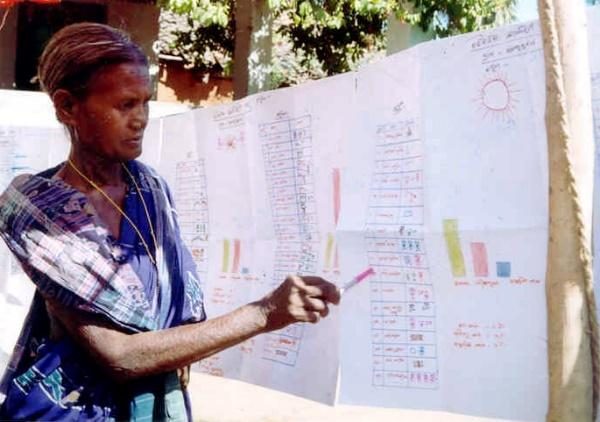
PSI combines deep research and technical expertise together with communities' own lived experiences to address the challenges in socio economic development. Keeping local needs and experiences as the foundation of the work, it helps in strengthening their institutions. This foundation leads to offering solutions that are adaptable and could be used in different social contexts.
The involvement of communities promotes local ownership, self reliance and the equitable use of resources. Its work experience of more than three decades shows that this approach can support large scale development and sustains the efforts on ground for a much larger time.
Research and innovation are central to PSI’s work. The organisation focuses on developing and testing new technologies and approaches to community mobilisation along with supporting their adoption and wider use. PSI places research at the core of its development work. Its interventions are informed by the needs and priorities of local communities. This approach guides its work across watershed development, environmental quality monitoring, climate change, disaster management and livelihood improvement.
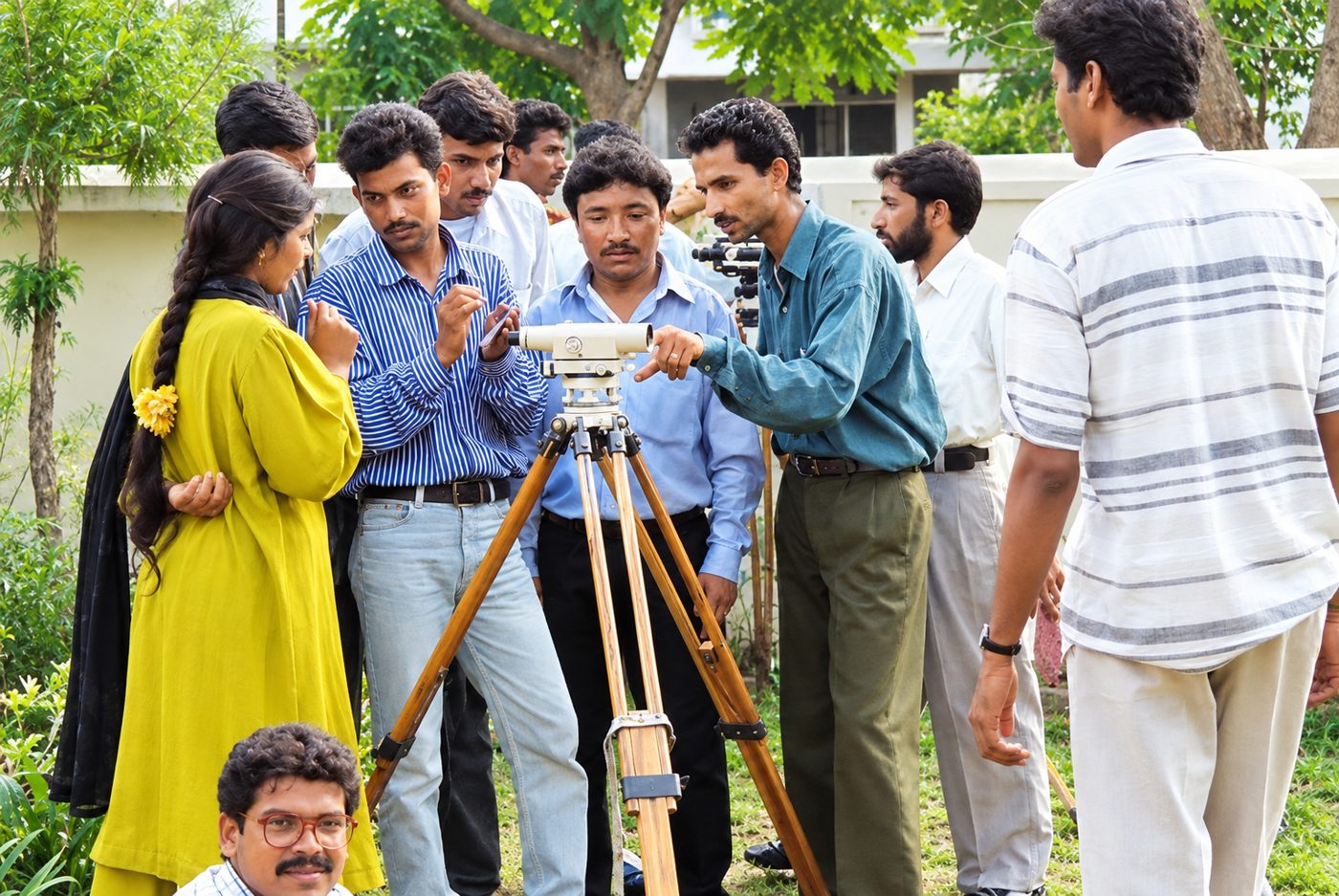
If research guides PSI’s approach to development, then collaboration supports its implementation on the ground. The organisation works closely with government institutions and local voluntary organisations to put its findings and plans into practice. PSI continues to build skills and institutional capacity through technical support, consultancy and knowledge sharing. interventions into policy discussions and incorporations in governments’ larger welfare programmes.
What Makes Us Different?
Our strength lies in its ability to connect research and technical expertise with community- informed action to deliver development programmes at scale. Since 1988, we have worked on watershed development, environmental management, livelihoods and disaster resilience, with a focus on sustainability, equity and community self-reliance. Programs such as Sukha Mukti Abhiyan and Gram Swaraj Abhiyan reflect our systems-based approach as these have historically strengthened local communities’ capacity to implement and sustain development initiatives for a much longer time. This approach enables communities to take ownership of development projects while involving them in the process of sustaining these initiatives.
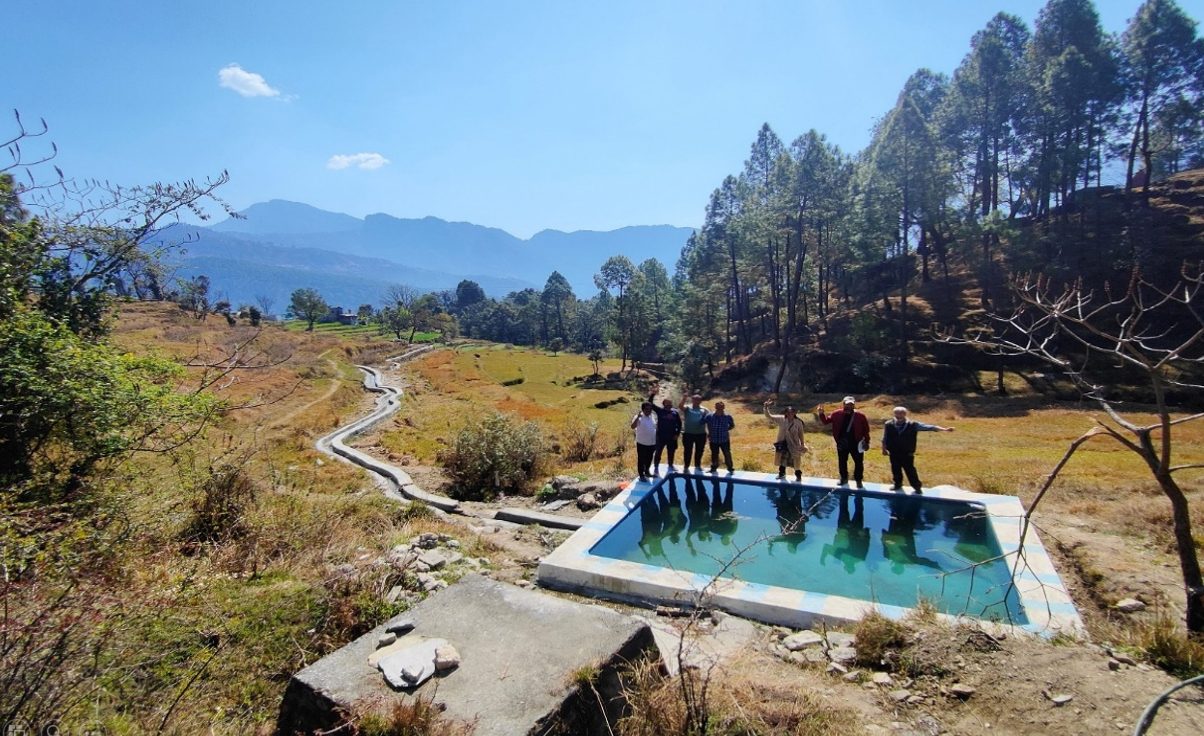
Innovation for us extends beyond technology. It involves social processes, administrative procedures and programme guidelines. Another distinguishing feature is our ability to make technical knowledge accessible and useful to communities. Throughout these years our projects have included earthquake-safe rural housing, water management technologies, environmental quality monitoring, traditional water management systems and women’s work patterns in the central-western Himalayas.
We also have experience in the domains of institutional development, training and policy engagement. Our work with government agencies has also contributed to the development of programmes and management systems. Our expertise in watershed development was recognised by CAPART in 1996, when we were selected to provide training and development support across northern India.
Key partners
In 1996, CAPART selected PSI (one among the seven national institutions) to be training and development support organization in watershed development for the entire north India region from Jammu & Kashmir to Bihar. The HP state government has identified CPWD as a training center for participatory watershed development programs in that state. Dr Ravi Chopra, Director of PSI, has served on several central and state government committees, in recognition of the work done by the Institute.
PSI has its own eco-friendly campus building in Dehra Doon. It operates two state-of-the-art laboratories for Geographical Information Systems and Environmental Quality Monitoring. The Institute has a small library with over 3000 books where readers can subscribe to several professional journals and periodicals.
6. Legal status (NGO registration, certifications)
PSI is registered as a society (S/19082, dated June 27, 1988) under the Societies Act (1860). In regards to the section 80G of Income Tax Act, donations to PSI are entitled to tax exemption.
Annual reports (downloadable PDFs)
Please find all the reports from the folder named (Annual reports)