
01
Communities decide
Communities take part in decisions. That strengthens grassroots democracy.
About
A non profit research and development institute in Dehradun. At work since 1988.
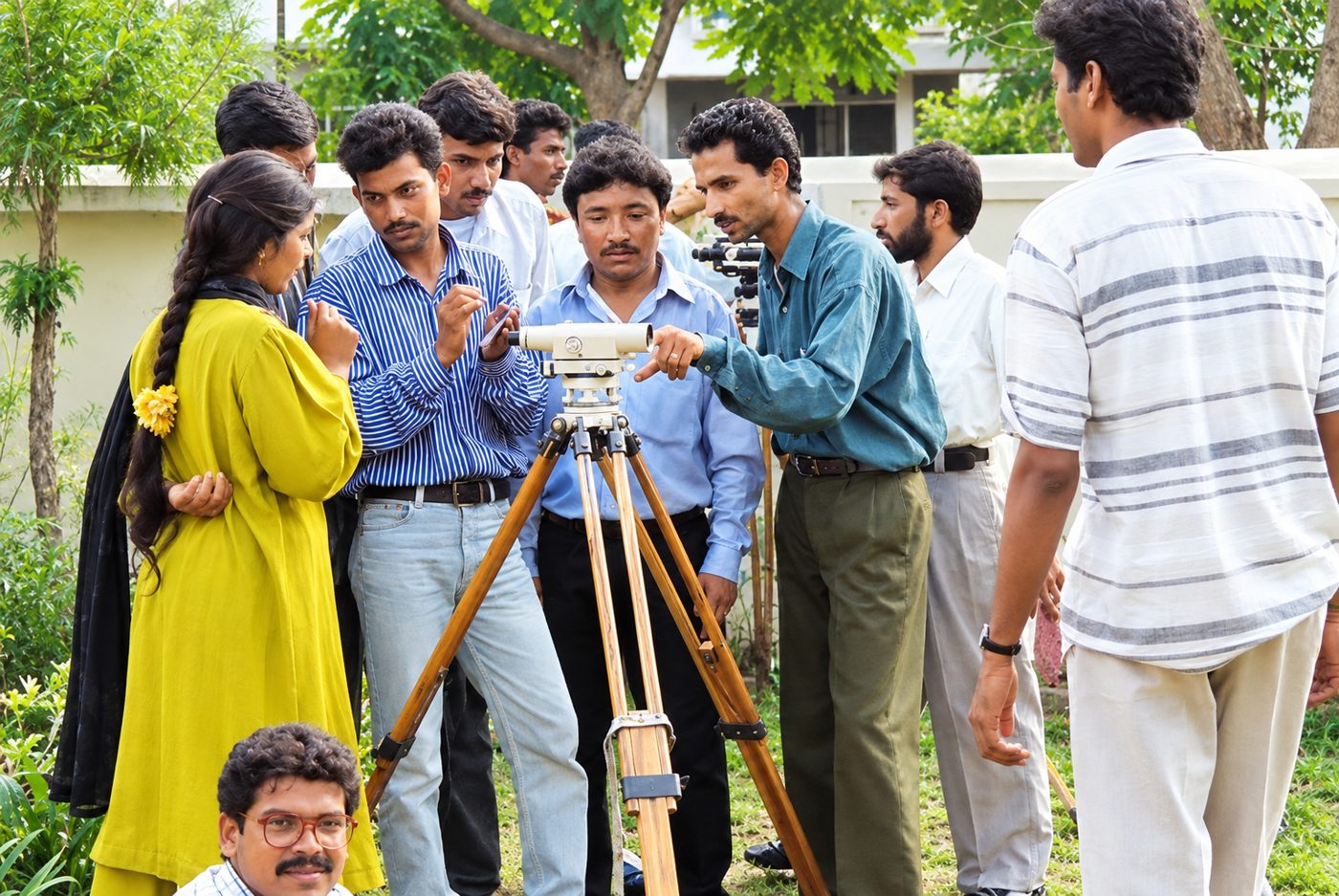
How PSI began
In 1988, inspired by nation building, a group of young IITians chose a different path. They backed participatory development. They put citizens rights at the centre.
What began as an experiment grew into the Peoples Science Institute. For over 35 years, PSI has worked to lift communities through sustainable development and public interest research.
At PSI, empowerment is not a buzzword. It is a daily commitment. People stay at the heart of development.
Vision and mission
PSI works for a society where progress comes from sustainability. It helps communities become self reliant. It supports the democratic, equitable and productive use of resources.
The first goal was to fight poverty through joint work. The goal is wider now. The zeal is the same.
Values
Lasting progress needs all three.
01
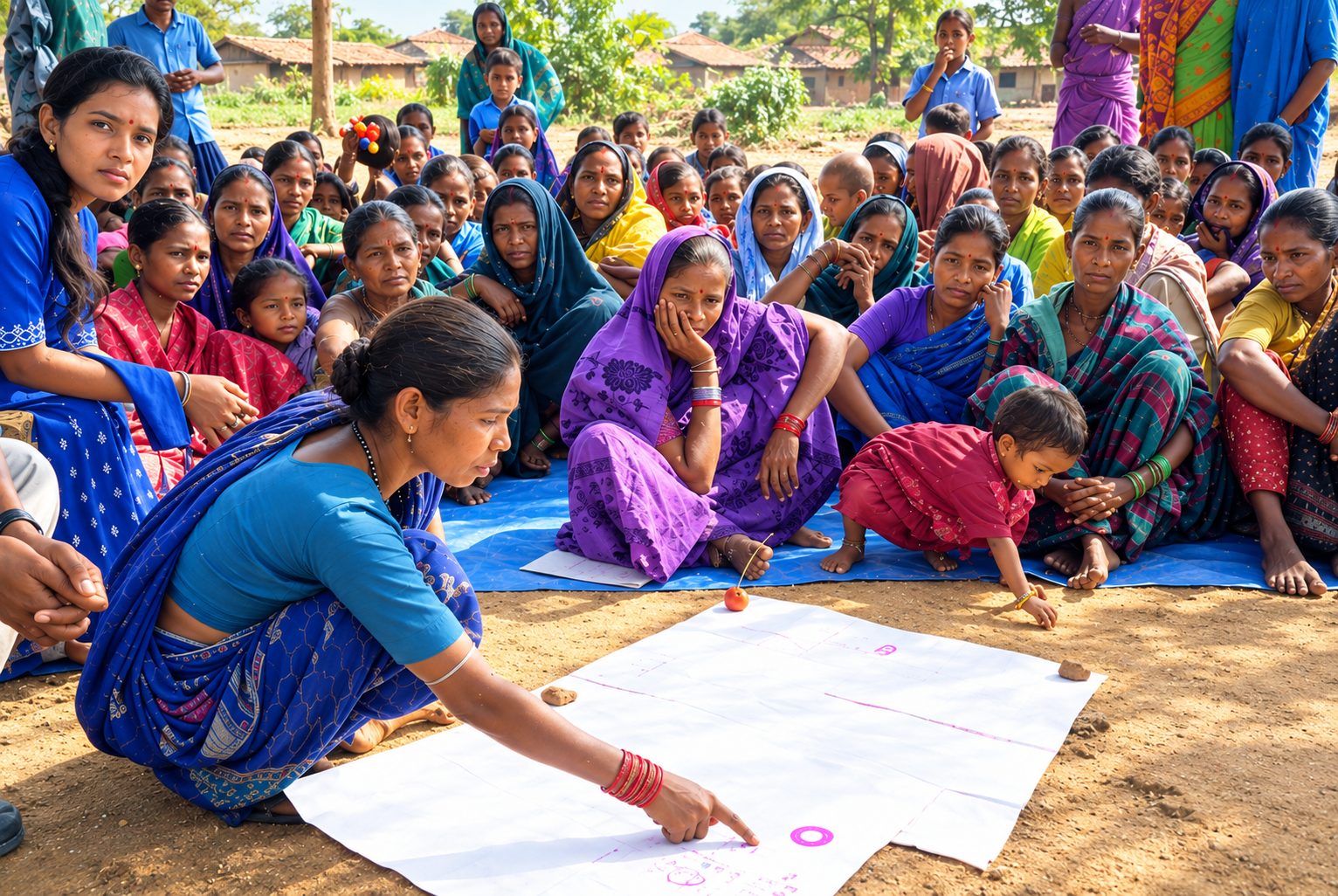
Communities take part in decisions. That strengthens grassroots democracy.
02
Local knowledge sits beside scientific knowledge.
03
Womens unpaid work counts. Plans reflect womens needs and contributions.
PSI aims to improve livelihoods, protect the environment, and help communities decide their own futures.
Approach
PSI joins deep research and technical skill with lived experience. Local needs form the base. Strong local institutions follow. Solutions stay practical and can travel to new places.
Community ownership brings self reliance and fair use of resources. Three decades of work show that this approach lasts.
Collaboration puts research into practice. PSI works with government bodies and local voluntary groups. It builds skill through technical support, consultancy and knowledge sharing.
What makes PSI different
PSI links research and technical skill with community led action. Programmes such as Sukha Mukti Abhiyan and Gram Swaraj Abhiyan show the method. Communities gain the capacity to run and sustain work themselves.
Innovation covers technology, social processes and programme rules. PSI makes technical knowledge simple and useful.
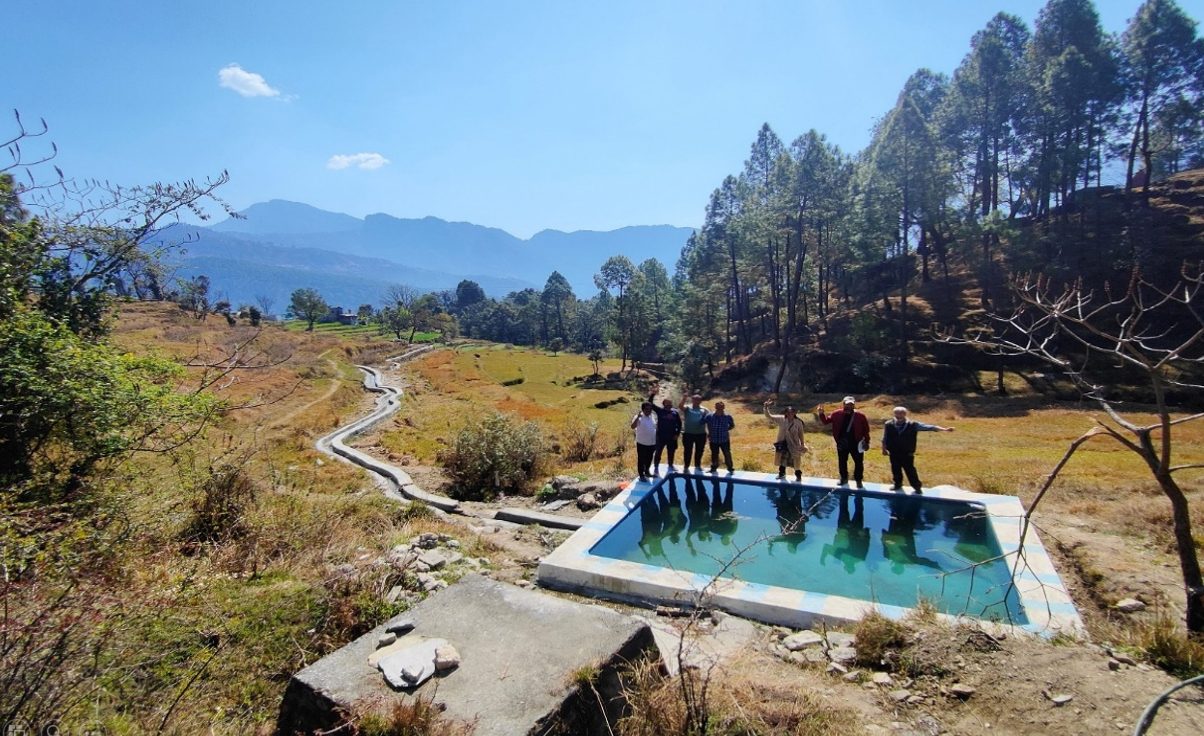
Past work includes earthquake safe rural housing, water management technology, environmental quality monitoring, traditional water systems, and studies of womens work in the central western Himalayas. In 1996, CAPART selected PSI to give training and development support across northern India.
Campus and legal status
PSI has its own eco friendly campus in Dehradun.
Recognition note: Dr Ravi Chopra has served on central and state government committees, as stated in the draft.