03
The Irrigation-Hydropower Nexus in the Ganges Headwaters - University of Arizonia
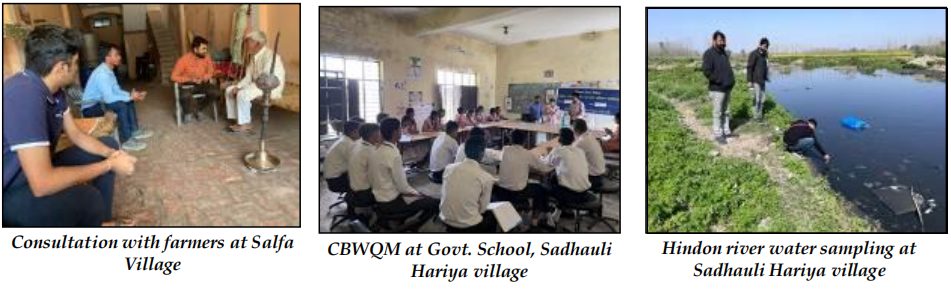
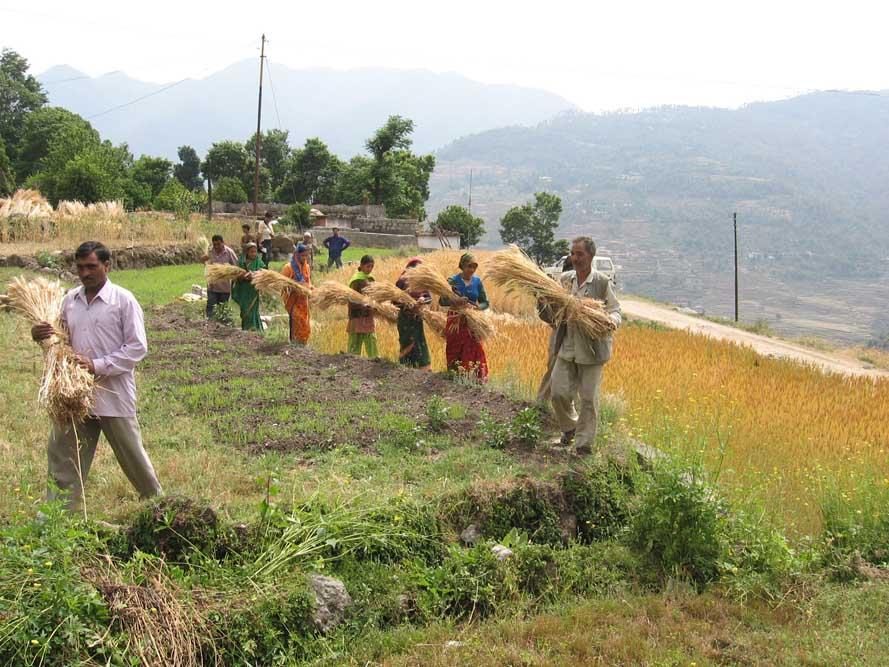
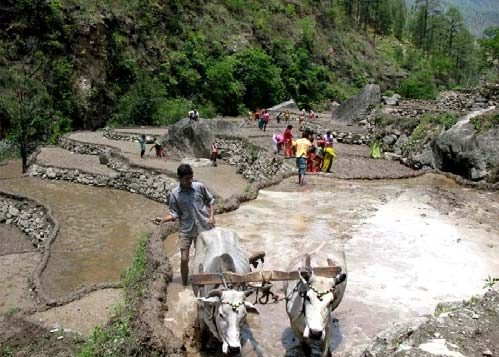
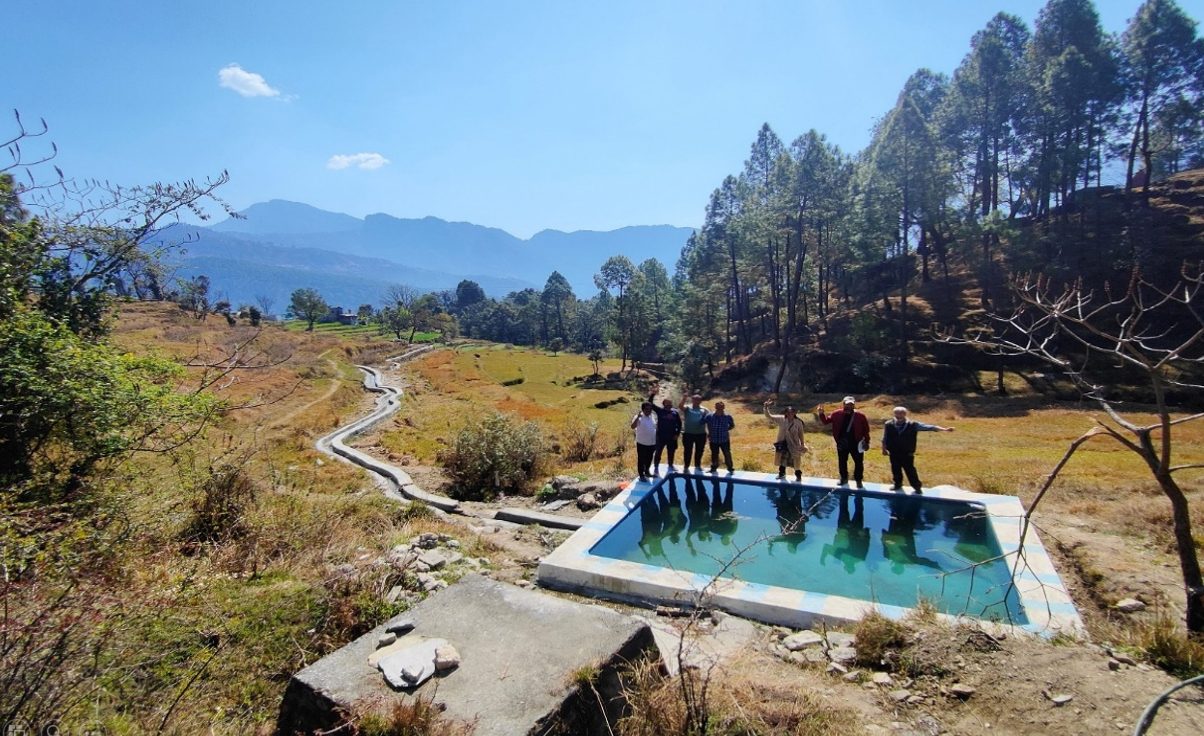
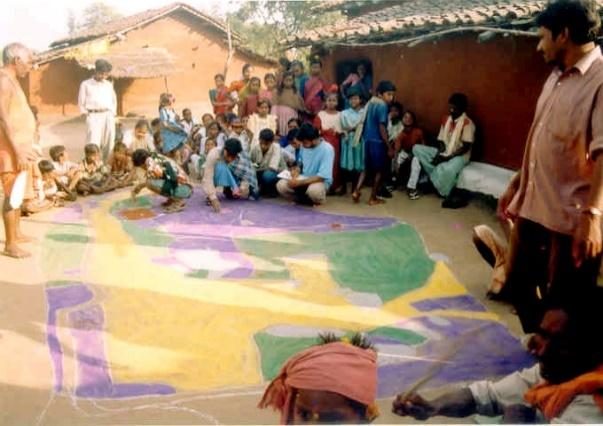
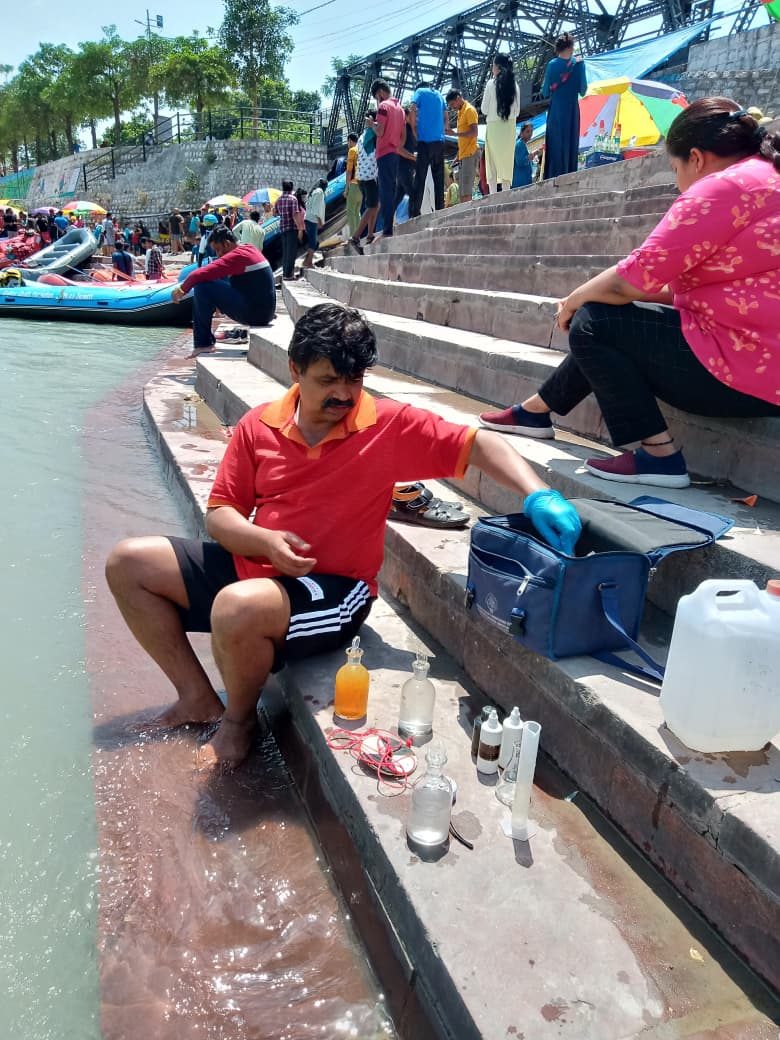
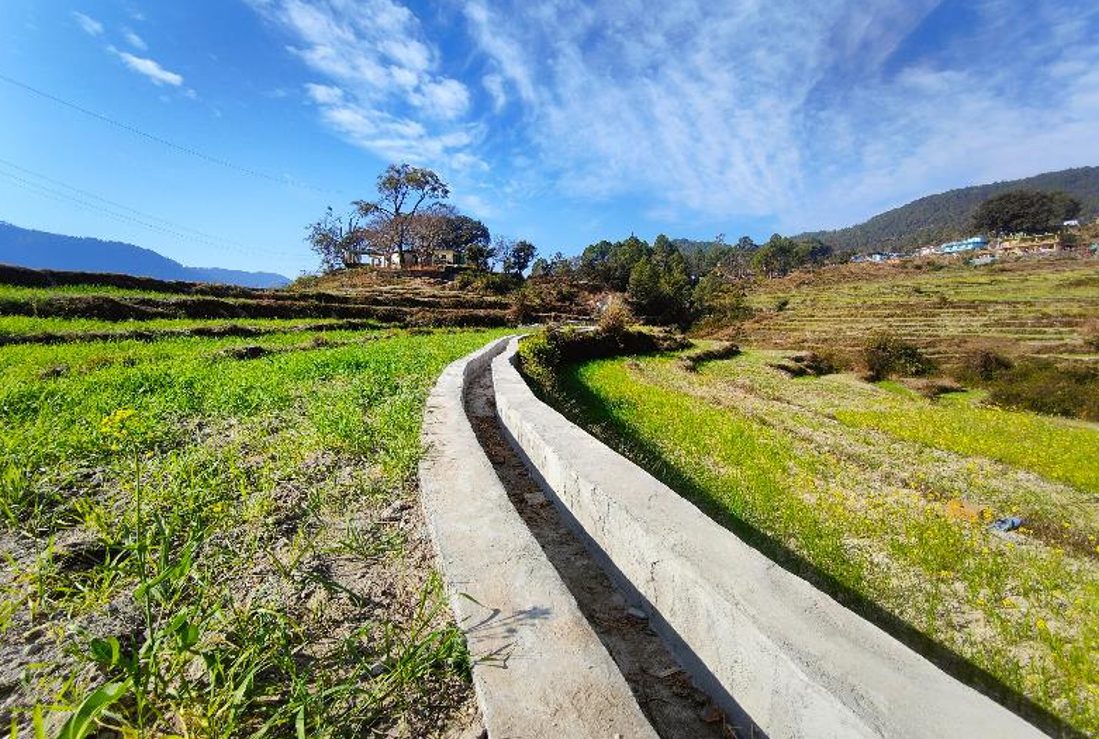
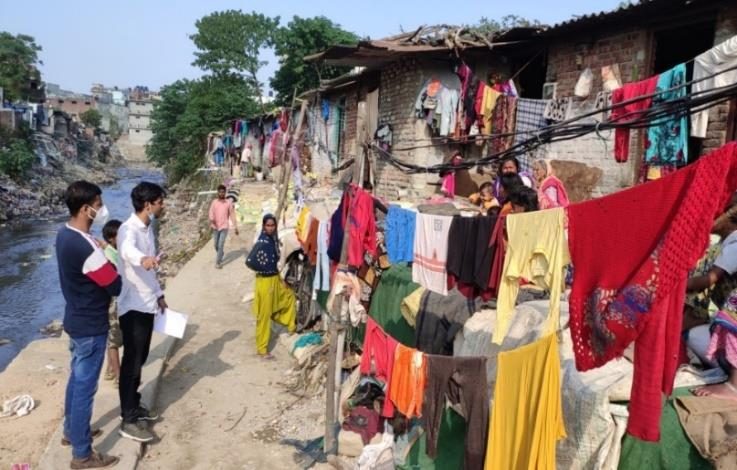
The project was supported by IWMI’s Research Program on Water, Land and Ecosystems (WLE) and CGIAR and led by University of Arizona in collaboration with the University of Delhi, ICIMOD, and People’s Science Institute. The research examined the interconnections between irrigation, potable water supply, hydropower, food production and livelihoods in Uttarakhand, with an emphasis on its women and youth. Using the Bhilangana River Basin and surrounding mountain region as a focus, the study assessed hydropower practices and its direct and indirect effects on local agriculture, livelihood and environment. It used regional and community-level research, including analysis of hydropower and irrigation systems, stakeholder consultations, village-level assessments and review of institutional and environmental conditions as primary data, whereas academic research and literature review was used as secondary research to conclude the findings.
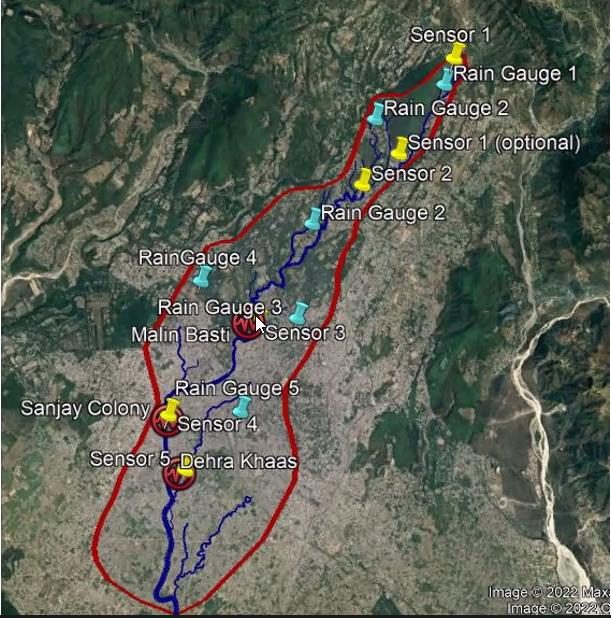
The study found that there is adequate data that is available on these projects which makes it difficult to assess water resource availability and impacts. It also identified the gaps in local grievance mechanisms and hydrological data, along with conflicts between villages and hydropower developers leading to these projects disproportionately affecting the marginalised population. The project recommended stronger stakeholder participation in EIAs, grievance redressal cells, monitoring of river discharge and environmental flows, improved water data systems and negotiations on benefit-sharing.